
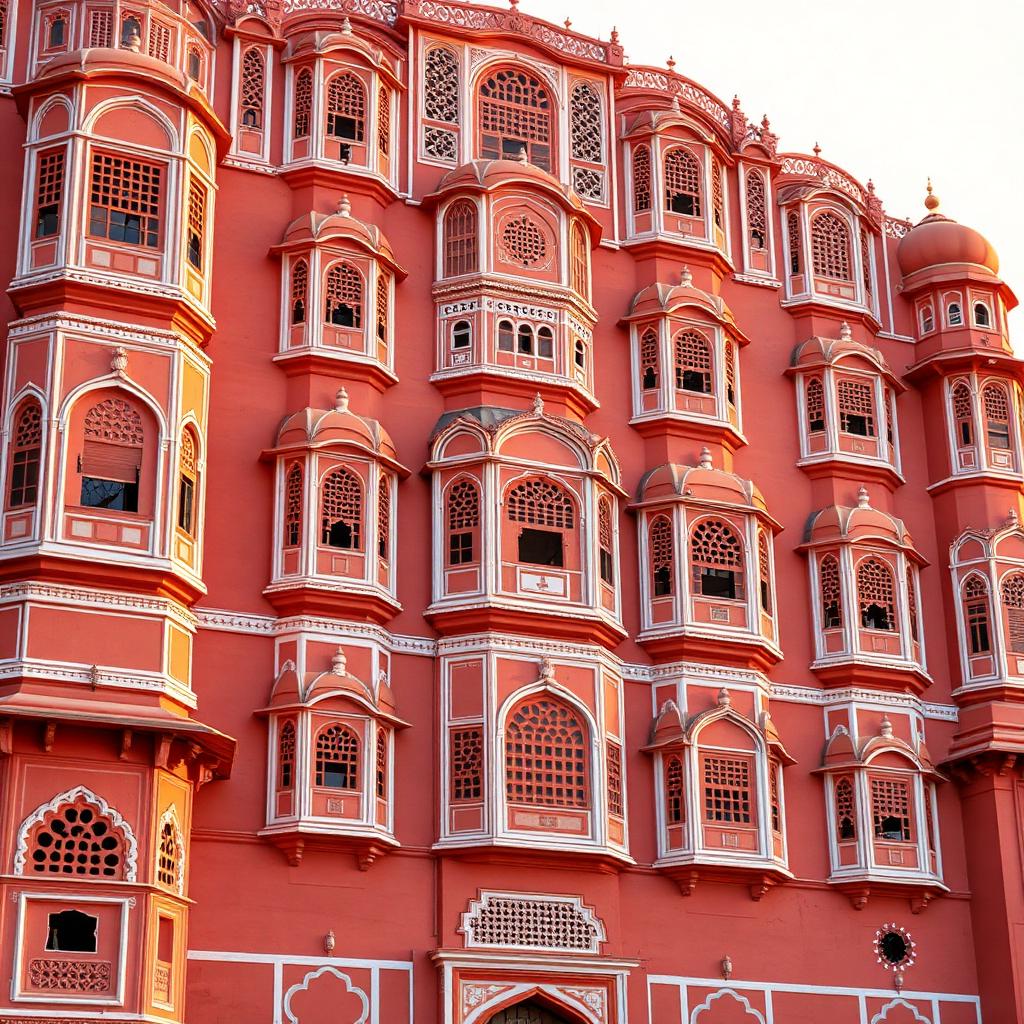
Jaipur Tour tour package.
Experience the royal heritage of the Pink City
Why travellers book this route.
This package is designed for travellers looking for a smooth, well-planned route with comfortable stays, clear pricing and a travel team that understands the destination.
Tour Image Gallery
About the Journey
Jaipur, the capital of Rajasthan, is globally celebrated as the 'Pink City' due to the distinctive terracotta-pink color of its historic buildings. Founded in 1727 by Maharaja Sawai Jai Singh II, Jaipur is India's first planned city, built according to the principles of Vastu Shastra and Shilpa Shastra. Surrounded by rugged hills and fortified walls, this UNESCO World Heritage city features grand hilltop palaces, astronomical observatories, and bustling bazaars. From the honeycomb facade of Hawa Mahal to the mirror-work of Amer Fort and the floating beauty of Jal Mahal, Jaipur is a treasure trove of royal heritage. Our 3-day tour from Kanpur offers an optimized itinerary to experience the history, architecture, and vibrant culture of this historic city.
History & Heritage
Jaipur was established in 1727 when Maharaja Sawai Jai Singh II decided to shift his capital from Amer due to water scarcity and growing population. He collaborated with Vidyadhar Bhattacharya, a brilliant Bengali architect, to design the grid-patterned city. In 1876, Maharaja Ram Singh ordered the entire city to be painted pink to welcome Prince Albert (later King Edward VII), as pink was considered the color of hospitality. The tradition has been maintained by law ever since. Under successive rulers, Jaipur became a major centre for jewelry, arts, and military power, eventually merging into the state of Rajasthan after India's independence.
Cultural & Spiritual Significance
Jaipur is a cornerstone of India's 'Golden Triangle' tourism circuit. It stands as a brilliant example of early modern town planning, combining traditional Hindu architecture with Mughal and European influences. The city is also a major global hub for gemstone cutting, block printing, and blue pottery, keeping centuries-old artisanal traditions alive. The royal family still resides in a private wing of the City Palace, maintaining a direct connection to the city's historical legacy.
Top Attractions & Landmarks
Amer Fort
The majestic hilltop fort built of yellow and pink sandstone, famous for its artistic Hindu elements. The Sheesh Mahal (Mirror Palace), adorned with thousands of concave mirrors, is its architectural highlight.
Hawa Mahal (Palace of Winds)
A five-storey pink sandstone facade featuring 953 small casements (jharokhas). Built in 1799, it allowed royal ladies to observe street festivals without being seen from the outside.
City Palace
The royal residence featuring a blend of Rajasthani and Mughal architecture. It houses museums showcasing royal costumes, weapons, and two giant silver urns — the largest in the world.
Jantar Mantar
A UNESCO World Heritage site featuring nineteen architectural astronomical instruments built by Jai Singh II, including the world's largest stone sundial.
Jal Mahal
The beautiful palace situated in the middle of Man Sagar Lake. The light-colored sandstone structure appears to float on the water, especially photogenic during sunset.
Hidden Gems & Local Secrets
Galta Ji (Monkey Temple)
An ancient Hindu pilgrimage site set in a narrow mountain pass, famous for its natural fresh water springs, sacred bathing tanks (kunds), and a large population of friendly rhesus monkeys.
Panna Meena ka Kund
An exquisite 16th-century stepwell near Amer Fort, famous for its symmetrical criss-cross steps, geometric architecture, and historical role as a community gathering spot.
Nahargarh Fort Sunset View
Perched on the edge of the Aravalli hills, Nahargarh Fort offers the absolute best panoramic view of the entire Jaipur city illuminated at dusk.
Day-by-Day Itinerary
Drive to Jaipur & Royal Dinner
Drive from Kanpur to Jaipur (approx 7-8 hours). Check into your heritage hotel. In the evening, visit Chokhi Dhani, an ethnic village resort, to experience traditional Rajasthani folk dances, puppet shows, and a royal feast. Overnight stay in Jaipur.
Historic Palaces & Amer Fort
After breakfast, drive to the Amer Fort (enjoy an elephant or jeep ride to the top). Stop at Jal Mahal for photographs. Post-lunch, explore the City Palace, Jantar Mantar observatory, and click photos at Hawa Mahal. Enjoy sunset at Nahargarh Fort. Overnight stay.
Bazaars, Stepwells & Return
Visit the beautiful Panna Meena stepwell and the Monkey Temple. Spend the afternoon shopping in Bapu Bazaar and Johari Bazaar. Depart for Kanpur by late afternoon, arriving home by midnight.
"Our Kashmir trip was effortless. The Innova was spotless, the driver knew every shortcut, and the itinerary felt personal."
"Rudra handled our destination wedding in Udaipur — 14 vehicles, zero stress. Their concierge stayed up with us till 2am."
"Did the Manali–Spiti circuit with a Tempo Traveller. Premium feel, transparent billing, no surprises."
Festivals & Culture
The Jaipur Literature Festival (January) is the world's largest free literary festival, drawing global authors and thinkers. Gangaur (March–April) and Teej (July–August) are traditional festivals marked by colorful processions of Goddess Parvati through the old city gates.
Food & Cuisine
Jaipur's food is rich in ghee and spices. Try Dal Baati Churma (baked wheat balls with lentils and sweet crumbled wheat), Pyaaz Kachori at Rawat Mishtan Bhandar, Lal Maas (spiced mutton curry), and Mirchi Vada. For sweets, sample Ghevar (a honeycombed disc sweet) and Mawa Kachori.
Shopping Souvenirs
Jaipur is a shopper's paradise. Buy precious gemstones and jewelry from Johari Bazaar, blue pottery from Sanganer, handblock-printed textiles, traditional leather mojari shoes from Mojari Gali, and colorful lac bangles from Bapu Bazaar.
Weather & Climate
The best time to visit Jaipur is from October to March (10–25°C) when the weather is cool and pleasant for sightseeing. Summers (April to June) are dry and hot (35–45°C). The monsoon (July to September) brings cooler temperatures and turns the surrounding Aravalli hills green.
How to Reach from Kanpur
By road, Jaipur is approximately 520 km from Kanpur via the NH-21 highway (7–8 hours of driving). Jaipur Junction is a major railway station connecting to Lucknow and Kanpur. Jaipur Airport has domestic flights. Rudra Tours handles all road travel in comfortable AC sedans or SUVs.
Accommodation Info
Stays range from authentic heritage Havelis (like Samode Haveli and Alsisar Haveli) to grand luxury hotels and budget stays. We recommend staying in a heritage property to fully experience Rajasthani hospitality.
Essential Travel Tips
- •Hire a licensed tourist guide at Amer Fort and Jantar Mantar to understand the architecture and history.
- •Wear comfortable slip-on shoes as you'll need to remove them frequently at temples and stepwells.
- •Be prepared to bargain politely in the traditional bazaars of the old city.
- •Carry sunscreen, sunglasses, and a hat to protect against the daytime sun.
- •Visit the Hawa Mahal early in the morning when the rising sun illuminates the pink facade.
Frequently Asked Questions
Find quick answers to common queries regarding routes, planning, and logistics for this tour.